
 ARGOMENTI
IN EVIDENZA
salone di genova open skiff optimist vela paralimpica class 40 vele d'epoca windsurf regate protagonist sailgp 52 super series
VENDÉE GLOBE
Vendée Globe: Thomson Races through the Doldrums
redazione
As he forecast, Alex Thomson (Hugo Boss) appears to have enjoyed the simplest of passages through the doldrums and averaged double-digit speeds overnight (10.7 knots since 1900hrs UTC). On his path on the westernmost part of the fleet, he should have a north wind of between 15/20 knots all morning, decreasing in the afternoon.
Thomson has lost 93 miles to the leader, Francois Gabart (MACIF), over the last 24 hours and is 739 miles behind.
After his heavy losses last week, Thomson has gained 150 miles back because of Gabart’s difficult doldrums. At this time on Wednesday, January 16, Thomson was 872 miles behind.
But third-placed Jean-Pierre Dick (Virbac-Paprec 3) has enjoyed similar success. Dick remains 237 miles ahead of Thomson and 502 miles behind Gabart. This time on Thursday, January 17, Dick was 378 miles behind Gabart, on Tuesday he had been 695 miles behind. His net gain from Gabart’s doldrums is 193 miles.
Gabart gains (a little)
280 miles to the west of Cape Verde, Gabart was again finding the best speed of the top four, but only marginally. He averaged 12.8 knots against the 11.7 knots overnight, Armel Le Cléac’h (Banque Populaire), grinding nine miles further ahead in the same northeasterlies as Thomson and Dick.
They are approaching the Azores high, the situation is still complex. The anticyclone barrier, around 800 miles ahead, can be particularly difficult to negotiate and the front four will be examining the weather files and satellite images to see whether to go around it or if there is a path through the centre.
Boissières also tempted by Rio Carnival
The slow torture continued on the east and west of the course for the middle five of the fleet. But Arnaud Boissières (Akena Verandas) is in a hole again, 180 miles southeast of Rio and like Jean Le Cam (SynerCiel) before him, has perhaps been tempted by the Rio carnival. He averaged just 2.9 knots overnight and only 1.8 knots in the last hour. He has averaged 4.8 knots over the last 24 hours and made just 113.2 miles. For the other four, the weaving in northerly winds, strengthening to 15-20 knots, will continue on Saturday.
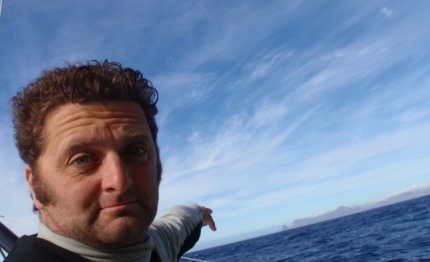
© ARNAUD BOISSIERES / AKENA VERANDAS / Vendée Globe
19/01/2013 14:25:00 © riproduzione riservata
Tweet
ARTICOLICORRELATI
I PIU' LETTIDELLA SETTIMANA
Trans Benaco, i Melges 32 dominano la 40ª edizione: Wilma firma il successo del quarantennale
A conquistare il titolo della 40ª Trans Benaco Cruise Race è stato Wilma (GER 193), Melges 32 armato dal Circolo Vela Torri e timonato da Carlo Cavagna, capace di completare le due prove con un tempo complessivo di 7 ore, 30 minuti e 22 secondi
Il Mondiale OpenSkiff entra nel vivo: a Calasetta una flotta ricca di medaglie
Tra i 166 registrati diversi protagonisti delle ultime edizioni iridate. Grande attesa per la squadra italiana, oltre che per gli atleti della Lega Navale Italiana Sezione Sulcis, organizzatore dell'evento
Si conclude a Capodimonte il Trofeo Optimist Italia
Il vento detta i tempi di questa ultima giornata e la terza tappa si chiude con un totale di sei prove svolte
Trofeo Optimist Italia: Pasquini e Pucci partono al comando sul Lago di Bolsena
Nella Divisione A il primo leader della classifica è Massimo Pasquini (LNI Ostia), autore di una serie molto regolare (8-5-1); nella Divisione B Valerio Pucci (Circolo Nautico Marina di Carrara) ha preso il comando grazie ai parziali di 1-1-5
52 SUPER SERIES: Trinity rompe il dominio ma Sled allunga a Lanzarote
Il comitato di regata ha sfruttato una breve finestra meteorologica per far disputare una regata intensa, nella quale Trinity Racing ha conquistato il primo successo stagionale, mentre Sled ha consolidato la leadership dell'evento
Golden Globe Race: in sei danno forfait prima della partenza
A 47 giorni dal via del 6/9, ben sei skipper hanno rinunciato al sogno di prendere parte alla regata più estrema della vela oceanica, mentre altri sei stanno attraversando l'Atlantico cercando di completare in tempo la qualificazione obbligatoria
Optimist, Bolsena: seconda giornata da incorniciare al Trofeo Optimist Italia
Trofeo Optimist Italia Kinder Joy of Moving: Tabacco conquista il primato nella Divisione A e Valerio Pucci resta in testa nella Divisione B
Iniziato il Mondiale Openskiff a Calasetta: 3 prove con maestrale
Tre regate, vento da nord ovest tra i 14 e i 17 nodi, un’onda mai complicata e soprattutto divertente. Il Campionato del Mondo OpenSkiff 2026 è iniziato nel migliore dei modi a Calasetta
SailGp: luci e ombre a Portsmouth per Red Bull Italy
Roma studia l'organizzazione inglese per prepararsi al SailGP di Ostia 2027. Presente a Portsmouth Alessandro Onorato, Assessore ai Grandi Eventi, Sport, Turismo e Moda di Roma Capitale
52 Superseries: a Marina Rubicón Paprec vince al fotofinish
La terza tappa delle 52 SUPER SERIES si decide tra Ocs, manovre millimetriche, penalità e vento forte: Platoon domina tutte e due le prove, Alkedo brilla e poi paga per la falsa partenza, Sled perde contatto, Paprec vince per la costanza di risultati